
And What We Use Now Instead
There was a time when I had bottles of lotion in every bathroom drawer—brightly packaged, sweetly scented, and promising “24-hour moisture.” But no matter how much I used, my skin stayed dry. My hands cracked in winter. And I started to wonder: What’s actually in this stuff?
So I flipped the bottle over… and fell down the rabbit hole.
What I Found on the Label
It didn’t take long to realize that the ingredients in most lotions had more to do with shelf life and scent than skin health. Here’s what I kept seeing:
Water (Aqua): Usually the first ingredient, meaning most lotion is just diluted.
Petroleum byproducts (like mineral oil or petrolatum): They coat the skin but don’t nourish it.
Parabens and synthetic preservatives: To keep it “fresh” for years.
Fragrance/Perfume: A mystery blend of chemicals that often irritates sensitive skin.
Alcohols: Meant to help lotion absorb faster, but they often dry skin out even more.
And yet, we’re told to keep slathering it on.
Why It Wasn’t Working for Us
After years of battling dry skin, eczema patches, and allergic reactions, I finally asked myself: What if the lotion is the problem, not the solution?
That’s when I started experimenting with alternatives. Simple oils. Homemade balms. Things my great-grandmother probably would’ve recognized.
And wouldn’t you know… our skin got better.
What We Use Now Instead
Here’s what we switched to, and what we still use to this day:
1. Herbal Salves
I make small batches of salves using infused oils and beeswax. Calendula, chamomile, comfrey—herbs that soothe, heal, and actually support the skin’s natural repair process.
2. Tallow Balm
I know it sounds old-fashioned, but rendered tallow (especially from grass-fed cows) is one of the most nourishing things you can put on your skin. It’s rich in vitamins A, D, E, and K, and absorbs beautifully. We use it for everything from dry heels to chapped cheeks.
3. Body Oil Blends
A mix of jojoba, olive, or sunflower oil with just a few drops of essential oil (or none at all). I rub it on after showers, before bed, or anytime skin feels tight.
4. Whipped Butters
I blend shea butter (this has the most benefits), cocoa butter or mango butter with herbal oils for a creamy, rich moisturizer that doesn’t need synthetic fillers to work.
What Happened When We Made the Switch
My hands stopped cracking in winter
My skin actually felt moisturized, not just coated
We simplified our routines (and saved money, too)
And best of all—I knew exactly what I was putting on our bodies
You Don’t Need to Settle
If your lotion isn’t doing what it promises… maybe it’s not you. Maybe it’s time to try something simpler, richer, and made with actual nourishment in mind.
You don’t need to buy ten different products for ten different parts of your body. One good balm, one jar of oil, and a bit of knowhow can replace a whole drawer of mystery creams.
That’s what we did. And I’ll never go back.
—
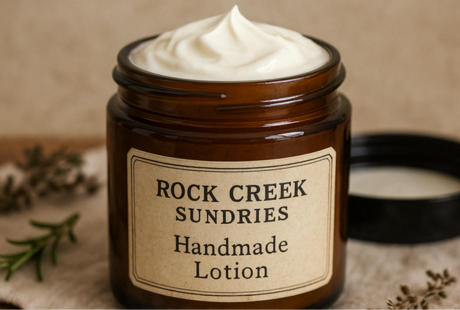
Want to try a handmade lotion alternative? Check out our seasonal balms and salves here:
https://rockcreeksundries.com/nourishing-skin-care