
Why This Chemical Shouldn’t Be Anywhere Near Your Family
BPA is everywhere—from canned soups to that innocent-looking receipt in your hand. It’s one of the most commonly used industrial chemicals in modern packaging—and one of the most quietly dangerous.
At Rock Creek Sundries, we believe in ditching the toxins and getting back to what’s real. So let’s take a look at the nasty business that is BPA, its sneaky substitutes, and how to truly protect your family.
What Is BPA?
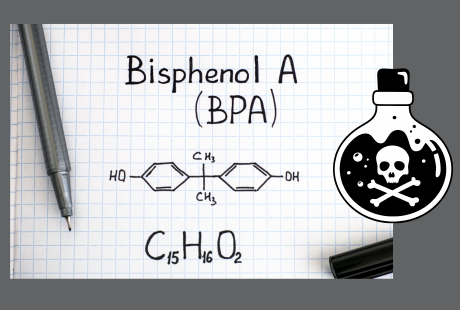
BPA (Bisphenol A) is a chemical used to make certain plastics and epoxy resins. It’s been used since the 1960s to harden plastics and coat the inside of cans to prevent corrosion.
You’ll commonly find BPA in:
- Canned food linings
- Reusable water bottles
- Food storage containers
- Baby bottles (older ones especially)
- And thermal paper receipts, this one surprises most people
When exposed to heat—or just touched—BPA can leach into your food, drinks, or even be absorbed through your skin.
Why Is BPA a Problem?
BPA is an endocrine disruptor. This means that it mimics estrogen and interferes with the body’s natural hormones.
Health risks include:
- Hormonal imbalance (in both men and women)
- Fertility issues and reproductive disorders
- Increased risk of breast and prostate cancers
- Behavioral and brain development effects in children
- Early puberty and metabolic disorders
The most concerning part? These effects can happen at very low levels of exposure!
The Receipt Nobody Talks About
Here’s the big one: thermal paper receipts are coated in BPA (or its cousins). Every time you touch a receipt—especially if your hands are wet, greasy, or warm—you can absorb BPA straight through your skin.
Cashiers, waitstaff, and anyone who handles lots of receipts daily are at even higher risk.
Tip: Always say “no receipt” or handle with a tissue if possible. Never let kids play with receipts or put them in your purse with food. I might look weird taking a receipt with a napkin, but once you know, you can never un-know.
BPA-Free ≠ Safe: The Problem with BPS and BPF
Those dirty manufacturers caught onto the BPA backlash and started replacing it with BPS (Bisphenol S) and BPF (Bisphenol F). These chemicals are often labeled as “BPA-free”—but that label is not just misleading, it is a total lie!
Here’s the truth:
- BPS and BPF are chemically similar to BPA
- They also disrupt hormones—sometimes even more strongly
- They haven’t been studied as thoroughly, but, early research is concerning
- Many products labeled “safe” still use these substitutes
This is called “regrettable substitution”—swapping one harmful chemical for another that sounds better but isn’t.
Safer Alternatives for Everyday Living
You don’t have to live in fear, you just need awareness and a willingness to search out the awesome companies that feel the same way we do about harmful chemicals!
Choose:
- Glass or stainless steel food and drink containers
- Home-cooked meals over canned foods
- Mason jars for leftovers
- Touchless receipts (email or text if available)
Avoid:
- Microwaving in plastic (really, just avoid a microwave altogether)
- Storing food in old or scratched plastic containers
- Touching receipts without washing your hands
- BPA-free plastics that aren’t clearly labeled with safe alternatives
What We Do at Rock Creek Sundries
We never use plastic containers for our apothecary goods. Instead, we package everything in glass jars, or paper-based wraps. That means no BPA, no sneaky cousins, and no worry about what’s leaching into your salves or sprays.
Because your body deserves better than synthetic toxins—especially when natural options work even better.
In Summary
BPA is a hidden threat—but it’s one you can dodge with knowledge and a few changes. Be especially mindful of receipts, watch out for BPS/BPF posing as “safe,” and stick to materials that have stood the test of time, like glass, metal, and wood.
👉 Read more or download our BPA-Free Living Guide at:
https://rockcreeksundries.com/bpa-dangers-and-how-to-avoid-them