
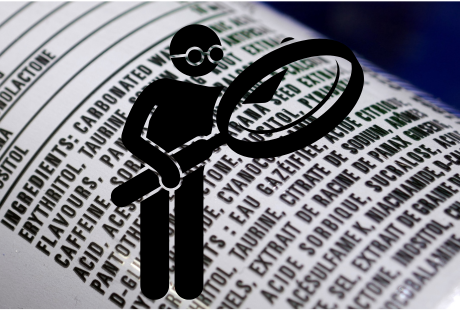
Because You Deserve to Know What You’re Putting on (and in) Your Family
I didn’t always read labels. I used to grab whatever looked clean, smelled nice, and claimed to be “natural.” That changed the day my baby broke out in a rash after using a so-called “gentle” baby wash. That day, I decided to start reading everything.
And what I learned? There’s a lot of stuff hiding in plain sight. But once you know how to read a label, like a mama with herbs in her cabinet and fire in her belly—you start to see things differently.
Let me walk you through what I’ve learned. You don’t need to be a chemist. Just a little bit curious, a little bit cautious, and a whole lot of protective.
Step 1: Flip the Bottle Over
Front labels are designed to sell you. The back label tells the truth.
Skip the words like “green,” “eco,” or “clean” and go straight to the ingredient list.
Step 2: Watch for These Red Flags
Here’s my personal No List—ingredients I skip every time:
❌ Fragrance or Perfume
This is a big one. It can hide hundreds of chemicals, including hormone disruptors like phthalates.
❌ Parabens
Often used as preservatives (like methylparaben or propylparaben). They mimic estrogen and have been linked to breast cancer.
❌ PEGs (Polyethylene Glycols)
Used to make products feel silky. Can be contaminated with 1,4-dioxane, a known carcinogen.
❌ SLS/SLES
(Sodium Lauryl/Laureth Sulfate) – foaming agents that can cause irritation and strip the skin of its natural barrier.
❌ BHT/BHA
Preservatives that can affect the nervous system and have been banned in parts of Europe.
Step 3: Look for Real, Recognizable Ingredients
This one is the easiest! When I read a label, I want to see ingredients I can pronounce and identify.
Look for:
Plant-based oils like olive, sunflower, jojoba, or coconut
Whole herbs or extracts like calendula, chamomile, rosemary
Natural preservatives like vitamin E (tocopherol) or fermented radish root
Essential oils instead of mystery fragrances
Simple things like beeswax, clays, oats, and honey
Step 4: Check the Order of Ingredients
Ingredients are listed from highest to lowest concentration.
If the label screams about aloe or lavender but they’re buried at the very bottom? That means there’s barely any in there—and it’s just marketing garbage.
Step 5: Use Your Gut (and Your Nose)
If even after you have tried reading all the science in the bottle, and you still have a yearning to know more, go ahead and smell it. If the smell is overpowering—it’s probably not as clean as it claims.
Real, clean products should smell like plants—not perfumes.
They should feel good on your skin, not leave it coated or burning. Trust your senses. They’re there for a reason.
What I Use Now
At Rock Creek Sundries, I don’t mess around with vague words or hidden junk. Every ingredient is listed—clearly—and chosen with care. Because if I wouldn’t use it on my kids, I would never add it into a product that I sell.
In Summary
Reading labels is like learning a new language. At first, it feels overwhelming. But then something clicks—and suddenly, you’re not just buying lotion. You’re making an informed choice for your home and your health.
You don’t need to be perfect. You just need to pay attention. Plan ahead and don’t go for the cheap and convenient options. And I promise, once you start—you won’t go back.
—
👉 Grab my printable “Clean Label Decoder” with ingredients to skip and ones to trust:
https://rockcreeksundries.com/label-decoder